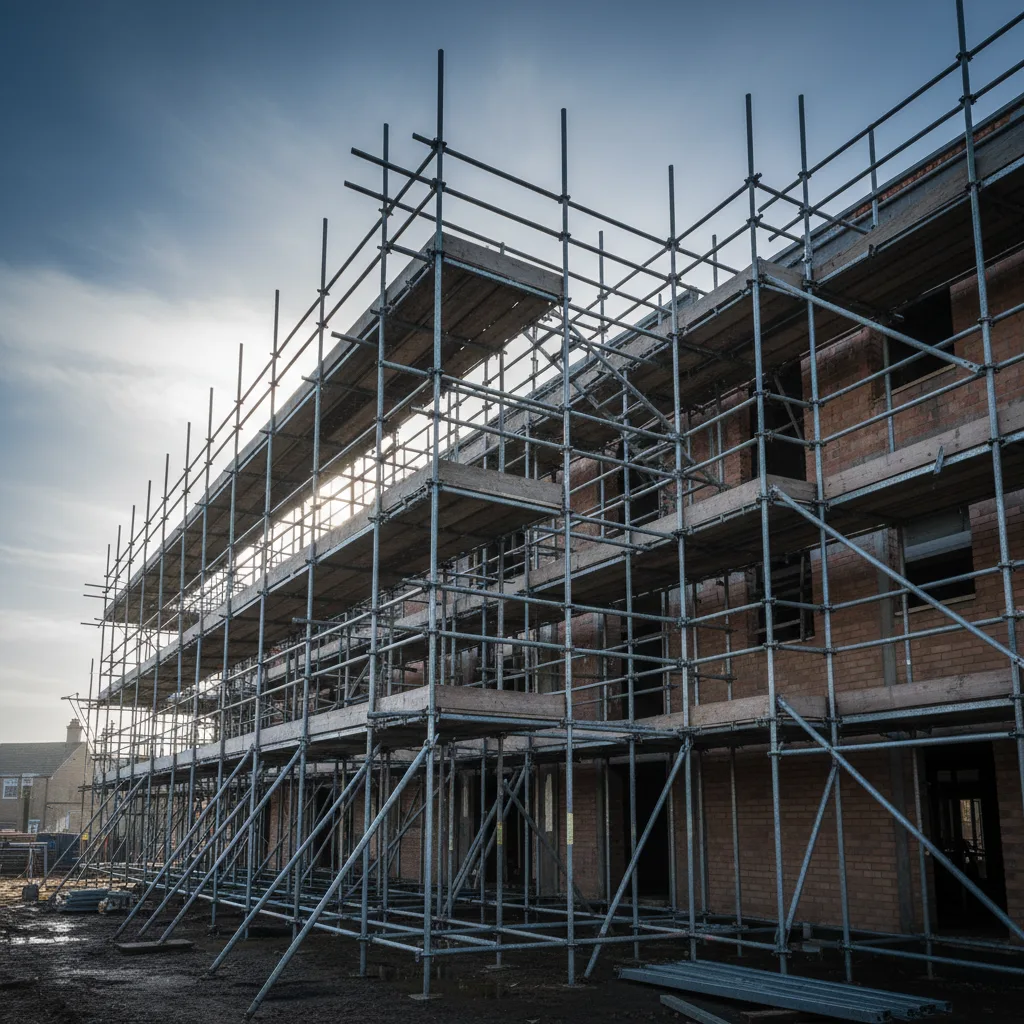
NVQs are the backbone of the UK construction card system. We explain what they are, how they're assessed, and why getting yours is the single most important step in your construction career.
If you're working in construction or planning to start, you've almost certainly heard about NVQs. But what exactly are they — and why do they matter so much for your CSCS card and long-term career?
What Does NVQ Stand For?
NVQ stands for National Vocational Qualification. In Scotland, the equivalent is SVQ (Scottish Vocational Qualification). These are work-based qualifications that assess your competence — your ability to actually do the job — rather than just your theoretical knowledge.
How are NVQs Assessed?
Unlike traditional exams, NVQs are assessed through:
- Observation — an assessor watches you carry out real work on-site
- Work products — examples of completed work (photos, drawings, materials)
- Professional discussion — a structured interview about your knowledge and decision-making
- Written statements — from you or your employer confirming your competence
NVQ Levels Explained
NVQs are graded on a scale of 1 to 5 for construction trades:
| Level | Card Colour | Typical Role |
|---|---|---|
| Level 1 | Green | Labourer / Site Worker |
| Level 2 | Blue | Skilled Operative (e.g., Carpenter, Bricklayer) |
| Level 3 | Gold | Advanced/Supervisory |
| Level 6 | Black | Site Manager / Contracts Manager |
How Long Does an NVQ Take?
- Level 2: 12–18 months
- Level 3: 18–24 months
- Level 6: 2–3 years (part-time alongside full-time work)
Experienced workers may be able to complete faster via Recognition of Prior Learning (RPL) — a process where your existing skills and experience are assessed against the qualification standards.